
Why Pre-IVF Counselling Is Crucial for a Successful Fertility Journey
Starting IVF treatment is not just a medical decision—it is an emotional, psychological, financial, and relational journey. While most couples focus on injections, procedures, and success rates, one of the most overlooked yet critical steps is IVF counselling before treatment.
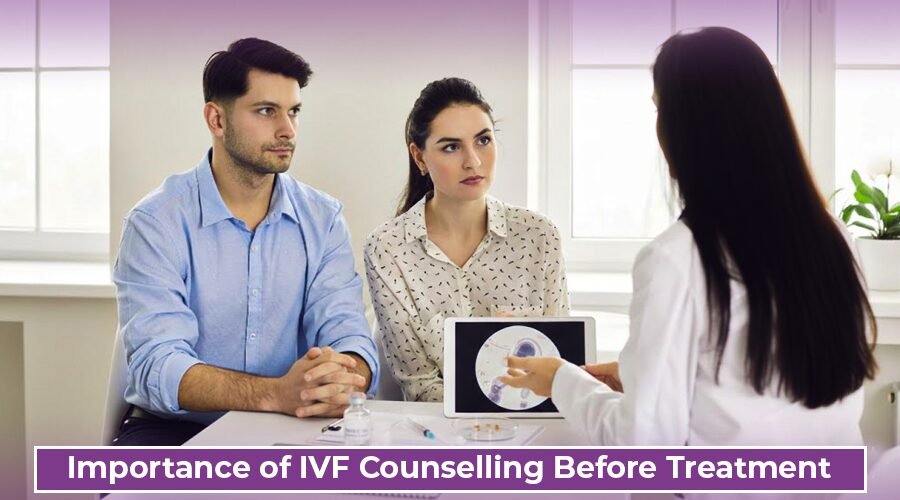
IVF counselling helps intended parents understand what lies ahead, prepares them mentally and emotionally, and ensures they make informed and confident decisions at every stage. In cities like Delhi, Noida, Gurugram, and Faridabad, many fertility specialists now consider counselling an essential part of the treatment plan—not an optional add-on.
This article explains why IVF counselling before treatment is important, what it includes, and how choosing the best IVF counselling in Delhi NCR can positively impact your fertility journey.
What Is IVF Counselling?
IVF counselling is a structured professional support process provided before and during fertility treatment. It is designed to help individuals and couples:
- Understand the IVF process clearly
- Prepare for emotional and physical challenges
- Manage stress, anxiety, and uncertainty
- Make ethical and legal decisions confidently
Unlike casual advice, IVF counselling is conducted by trained fertility counsellors or psychologists who understand both medical realities and emotional complexities of infertility.
Why IVF Counselling Before Treatment Is So Important
1. IVF Is Emotionally Demanding—Counselling Prepares You
Infertility often brings feelings of:
- Guilt
- Fear of failure
- Social pressure
- Loss of control
IVF can amplify these emotions due to:
- Hormonal changes
- Waiting periods
- Uncertainty of outcomes
Pre-IVF counselling helps couples build emotional resilience before treatment begins, rather than reacting to stress after it occurs.
2. Clear Understanding of the IVF Process
Many couples begin IVF with half-information or unrealistic expectations.
IVF counselling explains:
- Step-by-step IVF stages
- Hormonal injections and side effects
- Egg retrieval and embryo transfer
- Possible complications
- Chances of cycle cancellation
When patients know what is normal and what is not, fear and confusion reduce significantly.
IVF Counselling and Emotional Well-Being
3. Managing Anxiety, Stress, and Emotional Burnout
IVF is often described as an emotional rollercoaster. Counselling helps patients:
- Identify stress triggers
- Learn coping techniques
- Manage waiting-period anxiety
- Handle negative outcomes constructively
This emotional preparation becomes especially important if:
- IVF cycles fail
- Treatment extends over months
- Medical complications arise
4. Supporting Mental Health During Infertility
Infertility can silently affect mental health, leading to:
- Depression
- Sleep problems
- Social withdrawal
- Relationship conflicts
Pre-treatment counselling ensures mental health is addressed with the same importance as physical health—a crucial factor often ignored.
Strengthening the Couple’s Relationship
5. Improving Communication Between Partners
IVF stress can affect relationships in unexpected ways:
- One partner may feel more hopeful than the other
- Financial concerns may cause tension
- Emotional responses may differ
IVF counselling helps couples:
- Communicate openly
- Respect emotional differences
- Make joint decisions
- Stay emotionally connected during treatment
Strong emotional partnership directly supports treatment endurance.
Informed Decision-Making Through Counselling
6. Understanding Legal and Ethical Responsibilities
IVF involves several legal and ethical decisions, such as:
- Consent forms
- Embryo storage duration
- Embryo freezing or donation
- Use of donor eggs or sperm
- Future use of unused embryos
Counselling ensures couples fully understand the long-term implications before signing any documents.
7. Setting Realistic Expectations About IVF Success
One of the biggest emotional challenges in IVF is expectation vs reality.
Counselling helps patients:
- Understand real success rates by age and condition
- Accept that IVF may require multiple cycles
- Prepare emotionally for all possible outcomes
This reduces shock, disappointment, and emotional breakdowns later.
Lifestyle & Health Optimisation Through Pre-IVF Counselling
8. Addressing Lifestyle Factors That Affect IVF Success
Pre-IVF counselling often includes guidance on:
- Nutrition
- Weight management
- Smoking and alcohol cessation
- Stress reduction
- Sleep habits
Small lifestyle changes can significantly improve IVF outcomes, especially when started early.
9. Managing Underlying Medical Conditions
Conditions such as:
- PCOS
- Endometriosis
- Thyroid disorders
- Diabetes
require both medical and emotional preparation. Counselling helps patients understand how these conditions affect IVF and how to manage expectations realistically.
Real-World Example (Delhi NCR)
Case Example:
A couple from Noida began IVF without counselling. After their first failed cycle, emotional distress led to blame, anxiety, and hesitation to continue treatment.
What Changed:
They opted for professional IVF counselling before the second cycle. The sessions helped them:
- Understand why the first cycle failed
- Manage expectations
- Improve emotional communication
➡ The couple completed their next cycle with better emotional stability and confidence—regardless of outcome.
Who Should Definitely Consider IVF Counselling?
IVF counselling is strongly recommended if:
- You are starting IVF for the first time
- You have faced previous IVF failures
- You are using donor eggs or sperm
- You feel emotionally overwhelmed
- Your relationship feels strained
- You are worried about financial or social pressure
Choosing the best IVF counselling in Delhi NCR ensures this support is professional, ethical, and fertility-specific.
How to Choose the Best IVF Counselling in Delhi NCR
Checklist Before Choosing a Counsellor
✔ Trained fertility counsellor or psychologist
✔ Experience with IVF and infertility cases
✔ Confidential and non-judgmental approach
✔ Integrated with fertility clinic (preferred)
✔ Clear communication and patient education
Avoid centres that treat counselling as a formality rather than a core support service.
Tips to Get the Most Out of IVF Counselling
- Be honest about fears and expectations
- Attend sessions together as a couple
- Ask questions—even uncomfortable ones
- Discuss financial and emotional boundaries
- Use counselling as ongoing support, not a one-time session
Conclusion
IVF counselling before treatment is not just about emotional comfort—it is about preparedness, clarity, and confidence. IVF success is influenced not only by medical factors but also by mental strength, emotional balance, and informed decision-making.
Couples who invest in counselling often report:
- Better emotional control
- Stronger relationships
- More realistic expectations
- Improved ability to handle outcomes
If you are planning fertility treatment, choosing the best IVF counselling in Delhi NCR can make your IVF journey healthier, more informed, and emotionally sustainable.
Frequently Asked Questions (FAQs)
Q1. Is IVF counselling mandatory in India?
IVF counselling is not legally mandatory, but it is strongly recommended by fertility specialists.
Q2. Does IVF counselling improve success rates?
Counselling does not change biology, but it reduces stress, improves adherence, and supports better decision-making—indirectly helping outcomes.
Q3. Should counselling be done before or during IVF?
Ideally before starting IVF, and continued during treatment if needed.
Q4. Is IVF counselling only for couples?
No. Single women undergoing IVF also benefit greatly from counselling support.
Q5. Where can I find the best IVF counselling in Delhi NCR?
Look for fertility centres that offer integrated counselling services with experienced professionals, not general therapy alone.