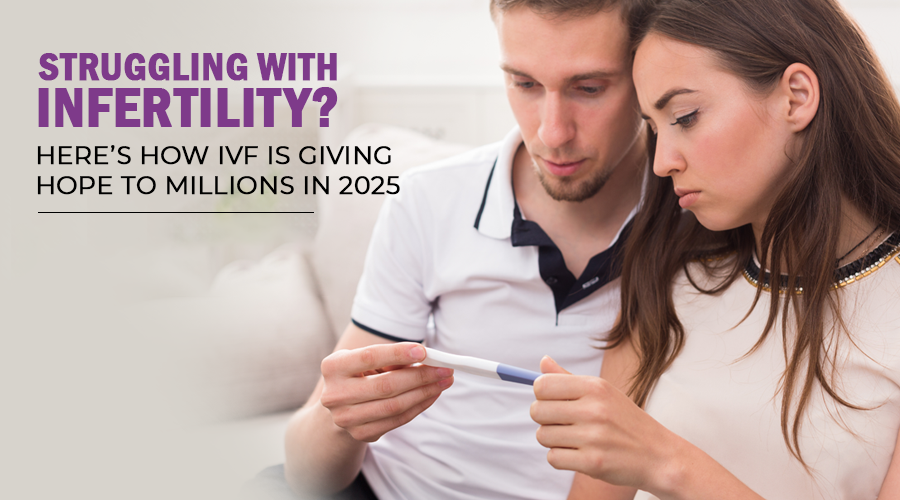

One of the biggest misconceptions I encounter as a fertility specialist is the belief that difficulty conceiving is primarily a woman’s problem.
In reality, pregnancy is a journey that involves both partners, and infertility should always be approached as a couple’s health issue, not an individual one. When a couple is unable to conceive, both the man and the woman deserve a comprehensive fertility evaluation.
Over the years, I have met many couples where women underwent multiple tests while the male partner had never been evaluated. This delay often leads to unnecessary emotional stress, lost time, and delayed treatment.
Understanding that male and female infertility contribute almost equally is the first step toward finding the right solution.
Pregnancy Requires Two Healthy Partners
For a natural pregnancy to occur, several events must happen successfully:
- The woman should ovulate regularly.
- Healthy eggs must be released.
- The fallopian tubes should be open.
- The uterus should support implantation.
- The man should produce healthy sperm with adequate count, movement, and shape.
- Fertilisation and embryo implantation should occur successfully.
If any one of these steps is affected, conception may become difficult.
This is why fertility specialists always recommend evaluating both partners together rather than focusing on only one person.
Male Infertility Is More Common Than Most People Think
Many couples are surprised to learn that male infertility contributes to nearly half of all infertility cases, either on its own or in combination with female factors.
Common causes of male infertility include:
- Low sperm count
- Poor sperm motility (movement)
- Abnormal sperm morphology (shape)
- Varicocele
- Hormonal imbalances
- Genetic conditions
- Sperm DNA damage
- Lifestyle factors such as smoking, obesity, excessive alcohol intake, and chronic stress
In many cases, men experience no symptoms, making a semen analysis an important part of the fertility evaluation.
Female Infertility Can Have Many Causes
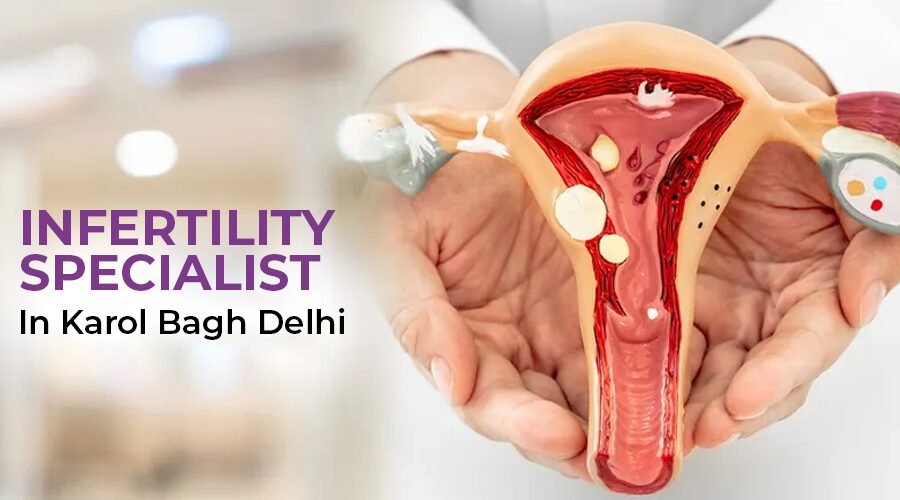
Female fertility depends on healthy ovulation, good egg quality, a receptive uterus, and open fallopian tubes.
Some common causes of female infertility include:
- Polycystic Ovary Syndrome (PCOS)
- Endometriosis
- Ovulation disorders
- Blocked fallopian tubes
- Uterine fibroids
- Thyroid disorders
- Low ovarian reserve
- Age-related decline in fertility
Many of these conditions are treatable, particularly when identified early through appropriate investigations.
Why Both Partners Should Be Tested Together
One of the most important messages I share with couples is this:
Never assume the cause of infertility without proper testing.
I’ve seen situations where women underwent months of investigations before discovering that the primary challenge was related to male fertility. I’ve also seen cases where both partners had contributing factors that required a combined treatment plan.
Evaluating both partners at the same time helps:
- Reach a diagnosis sooner
- Avoid unnecessary tests
- Save valuable time
- Develop a personalised treatment strategy
- Improve the chances of successful conception
Common Fertility Tests for Couples
A comprehensive fertility assessment typically includes investigations for both partners.
For Women
Your fertility specialist may recommend:
- Hormone profile
- AMH (Anti-Müllerian Hormone) test
- Pelvic ultrasound
- Ovulation monitoring
- Assessment of the uterus and fallopian tubes
These tests help evaluate ovarian reserve, ovulation, and reproductive health.
For Men
Male fertility evaluation usually begins with:
- Semen analysis
- Medical history review
- Physical examination when indicated
- Hormonal testing if required
- Additional investigations based on clinical findings
A simple semen analysis often provides valuable information and can guide further management.
Lifestyle Habits Affect Both Male and Female Fertility
Modern lifestyles can influence fertility in both men and women.
Factors that may reduce fertility include:
- Smoking
- Excessive alcohol consumption
- Obesity
- Poor nutrition
- Sedentary lifestyle
- Inadequate sleep
- Chronic stress
- Exposure to environmental toxins
Adopting healthier habits supports reproductive health and complements medical treatment when needed.
When Should Couples See a Fertility Specialist?
As a general guideline:
- Couples where the woman is under 35 years of age should seek evaluation after 12 months of regular, unprotected intercourse without pregnancy.
- If the woman is 35 years or older, evaluation is recommended after 6 months of trying.
You should also consult a fertility specialist sooner if:
- Menstrual cycles are irregular or absent.
- Either partner has a known reproductive health condition.
- There is a history of recurrent miscarriages.
- Previous pelvic surgery, chemotherapy, or significant infections have affected reproductive health.
Seeking help early often leads to earlier diagnosis and more treatment options.
Fertility Treatment Is Personalised
Many couples worry that visiting a fertility clinic automatically means IVF.
In reality, treatment depends entirely on the underlying diagnosis.
Depending on the cause, options may include:
- Lifestyle modifications
- Ovulation induction
- Timed intercourse
- Treatment of hormonal disorders
- Intrauterine insemination (IUI)
- Surgical correction of specific conditions
- In Vitro Fertilisation (IVF) when clinically appropriate
The goal is always to recommend the most suitable and least invasive treatment based on the couple’s individual needs.
A Message I Share With Every Couple
One of the most difficult parts of infertility is the emotional burden couples carry. Unfortunately, in many families and communities, women are often blamed first when pregnancy does not happen.
Medical science tells us a different story.
Infertility is not a woman’s issue or a man’s issue—it is a couple’s issue.
Supporting one another, seeking evaluation together, and making decisions as a team not only improves the medical approach but also strengthens the relationship during what can be a challenging journey.
How Dr Jyoti Bali Can Help
At Dr Jyoti Bali IVF, we believe that fertility care begins with understanding both partners. Our approach is based on comprehensive evaluation, evidence-based diagnosis, and individualised treatment plans tailored to each couple’s unique situation.
Whether the challenge is related to male infertility, female infertility, or a combination of factors, our goal is to identify the root cause and guide you with compassion, clarity, and the latest fertility treatments.
Frequently Asked Questions
Is infertility only a woman’s problem?
No. Male and female infertility contribute almost equally to difficulties in conception. Both partners should undergo fertility evaluation.
Should both husband and wife get fertility tests?
Yes. Fertility involves both partners, and evaluating both at the same time helps identify the cause more efficiently.
Can healthy-looking men have fertility problems?
Yes. Many men with fertility issues have no noticeable symptoms. A semen analysis is often the first and most important test.
Can lifestyle affect fertility?
Yes. Smoking, obesity, poor diet, excessive alcohol, inadequate sleep, and chronic stress can affect reproductive health in both men and women.
If you’ve been trying to conceive without success, remember that infertility in couples is a shared medical condition—not a burden that belongs to one partner alone. Understanding that male and female infertility can both contribute to delayed pregnancy is essential for finding the right diagnosis and treatment.
The most effective approach is to seek timely evaluation together, ask questions, and work with an experienced fertility specialist who considers the health of both partners. At Dr Jyoti Bali IVF, we are committed to helping couples navigate their fertility journey with expert guidance, personalised care, and compassionate support every step of the way.