

Breaking One of the Biggest Fertility Myths
For generations, infertility has often been viewed as a woman’s issue. In many families and communities, when a couple struggles to conceive, attention immediately turns toward the woman. However, modern fertility science tells a very different story.
One of the most common misconceptions fertility specialists encounter is the belief that infertility is always a female problem. The reality is that infertility affects both men and women, and male infertility contributes to a significant percentage of fertility challenges.
As a Senior IVF & Fertility Specialist in Delhi, Dr. Jyoti Bali believes that fertility evaluation should always involve both partners. Understanding the true causes of infertility is essential for successful treatment and healthy pregnancy outcomes.
What Is Infertility?
Infertility is generally defined as the inability to achieve pregnancy after one year of regular unprotected intercourse.
For women above 35 years of age, fertility evaluation is often recommended after six months of trying without success.
Infertility is not a disease that affects only women. It is a couple’s condition that requires assessment of both partners.
How Common Is Male Infertility?
Research consistently shows that male fertility issues contribute to approximately 40% to 50% of infertility cases.
This means that male infertility is nearly as common as female infertility.
Unfortunately, many couples spend months or even years focusing solely on female fertility evaluations before male factors are investigated.
Common Causes of Male Infertility
Low Sperm Count
A low sperm count reduces the likelihood of successful fertilization.
Poor Sperm Motility
Sperm must be able to swim effectively to reach and fertilize the egg.
Abnormal Sperm Morphology
Sperm shape and structure can affect fertilization capability.
Varicocele
Enlarged veins around the testicles may impact sperm production and quality.
Hormonal Imbalances
Hormones play a vital role in sperm production and reproductive health.
Lifestyle Factors
Several lifestyle habits may negatively affect male fertility:
- Smoking
- Alcohol consumption
- Obesity
- Poor diet
- Stress
- Lack of exercise
Common Causes of Female Infertility
While male factors are significant, female fertility issues also contribute to infertility.
Common causes include:
PCOS
Polycystic Ovary Syndrome is one of the leading causes of ovulation disorders.
Endometriosis
This condition can interfere with reproductive function and implantation.
Blocked Fallopian Tubes
Tubal damage prevents sperm and egg from meeting naturally.
Low Ovarian Reserve
Reduced egg quantity and quality can affect fertility potential.
Age-Related Fertility Decline
Female fertility gradually declines with age, particularly after 35.
Why Both Partners Should Be Evaluated
One of the most important lessons couples should understand is that infertility evaluation must involve both partners.
A comprehensive fertility assessment often includes:
For Women:
- Hormonal testing
- Ultrasound examination
- Ovulation assessment
- AMH testing
For Men:
- Semen analysis
- Hormonal evaluation
- Physical examination
- Advanced sperm testing
Simultaneous testing helps identify fertility issues more quickly and prevents unnecessary delays in treatment.
Emotional Impact of Fertility Challenges
Infertility can place significant emotional pressure on relationships.
When infertility is incorrectly assumed to be solely a female issue, women often experience unnecessary guilt and emotional stress.
Open communication, mutual support, and proper medical evaluation can help couples navigate fertility challenges together.
Treatment Options for Male and Female Infertility
Modern reproductive medicine offers numerous treatment solutions.
Depending on the diagnosis, treatment may include:
- Lifestyle modification
- Ovulation induction
- Fertility medications
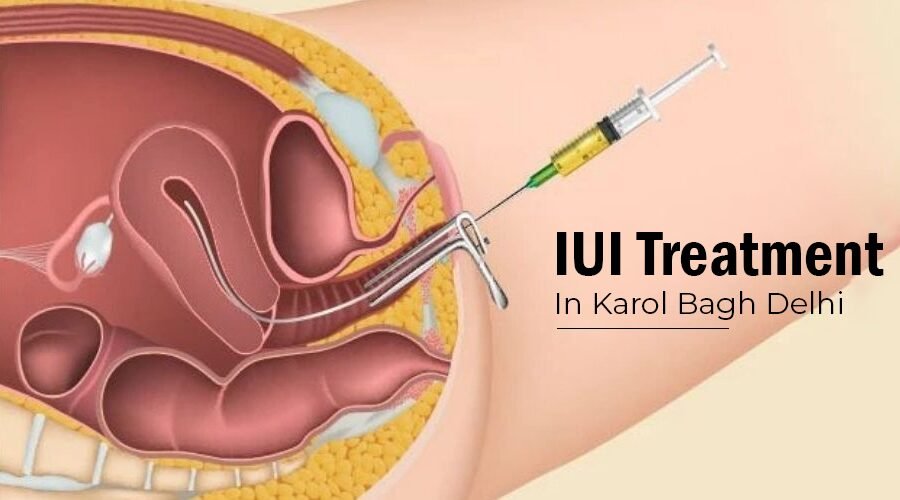
- IUI treatment
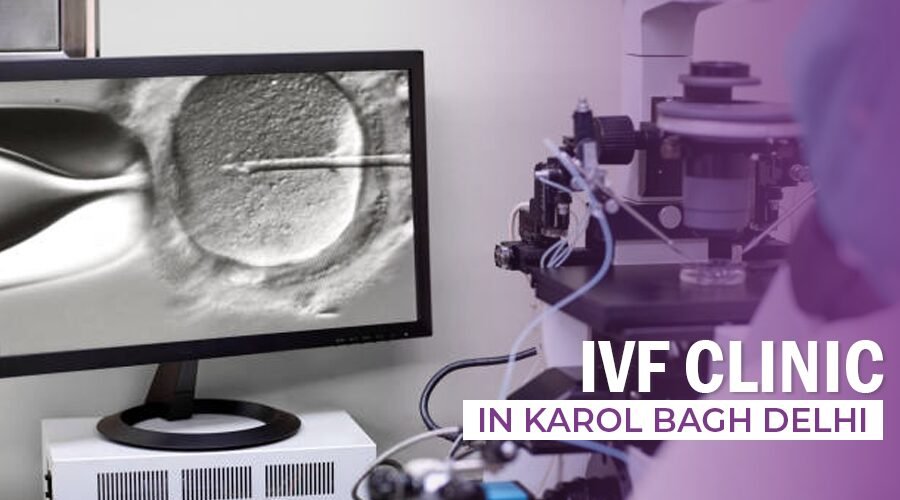
- IVF treatment
- ICSI treatment
- Surgical correction of reproductive issues
The right treatment depends entirely on the underlying cause.
Dr. Jyoti Bali’s Approach to Couple-Centered Fertility Care
Dr. Jyoti Bali emphasizes a comprehensive fertility approach that evaluates both partners from the beginning.
Her philosophy is simple:
Infertility is not a woman’s problem or a man’s problem—it is a couple’s challenge that deserves accurate diagnosis and personalized care.
By identifying the exact factors affecting fertility, treatment plans can be customized to maximize the chances of successful conception.
When Should You See a Fertility Specialist?
Consider consulting a fertility specialist if:
- You have been trying for one year without pregnancy.
- The woman is over 35 years of age.
- You have experienced recurrent miscarriages.
- There is a known reproductive health condition.
- Previous fertility treatments have been unsuccessful.
Early diagnosis often improves treatment outcomes significantly.
Infertility is not always a female problem. Male fertility issues contribute to nearly half of all infertility cases, making a comprehensive evaluation of both partners essential.
If you and your partner are struggling to conceive, seeking expert guidance can provide clarity, answers, and effective treatment options.
Dr. Jyoti Bali offers personalized fertility evaluations and evidence-based treatment plans designed to help couples overcome infertility and achieve their dream of parenthood.